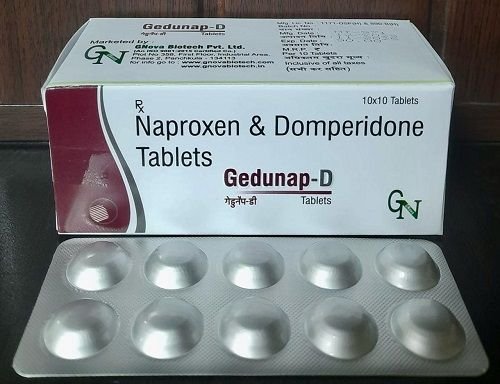
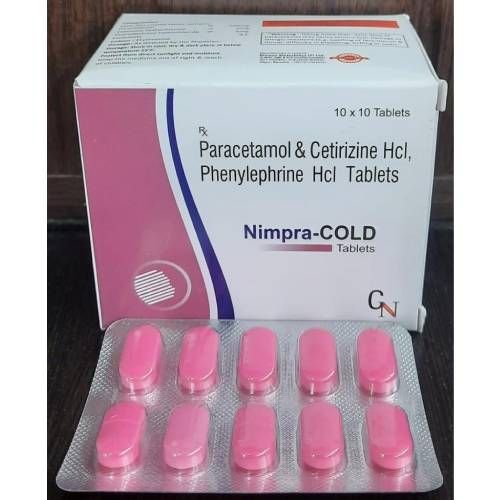
NIMPRA-COLD (BLISTER)
- Composition
- Paracetamol, Cetirizine HCL, Phenylephrine HCL Tablet
- Category
- Tablets
The information on this website is intended for healthcare professionals, pharmaceutical distributors and franchise partners. It is not a substitute for professional medical advice, diagnosis or treatment. Prescription medicines must be used only under the supervision of a registered medical practitioner. Product availability, composition and packaging are subject to change.
Product information
Paracetamol, Cetirizine HCL, Phenylephrine HCL Tablet is a class of ‘cough and cold medicines’ used mainly for the treatment of common cold and allergic symptoms such as sneezing, watery eyes, or runny/itchy/watery nose and throat. The common cold is an illness of the respiratory tract involving the nose and throat, which is caused by a group of viruses called rhinoviruses. The virus infects the body by way of the mouth, nose, or eyes and spreads very rapidly by airborne droplets when an ill person sneezes, coughs, or speaks.
Paracetamol, Cetirizine HCL, Phenylephrine HCL Tablet has Cetirizine (antihistamine/antiallergic), Phenylephrine (decongestant) and Paracetamol (mild analgesic and antipyretic). Cetirizine is an antihistamine (antiallergic drug) belonging to the category of antihistamines that act by inhibiting the action of histamine, a chemical mediator responsible for causing allergic reactions. It alleviates allergic symptoms like sneezing, runny nose, watery eyes, itching, swelling, congestion, or stiffness.
Phenylephrine constricts blood vessels inside the nasal passage, thus easing a blocked nose. Paracetamol is an analgesic (pain reliever) and antipyretic (fever reducer) that acts by suppressing the release of some chemical messengers within the brain called ‘prostaglandins’ that are responsible for pain and fever.
Uses
- Relief of nasal congestion: It relieves nasal congestion by lessening nasal passage swelling, making breathing easier, and relieving stuffiness.
- Lessening allergy symptoms: It can work effectively in lessening allergy symptoms, such as a runny nose and sneezing, relieving symptoms from typical allergens.
- Lessening fever: It also participates in lowering fever due to colds and flu, offering relief and comfort.
- Relieving sore throat symptoms: It offers relief from sore throat pain, and swallowing and speaking become easier.
Medicinal Benefits
- It is mostly applied to relieve the common cold and allergy symptoms like runny nose, blocked nose, sneezing, congestion, pain & fever.
- It consists of three drugs, i.e., Cetirizine (antihistamine), Phenylephrine (decongestant), and Paracetamol (weak analgesic and antipyretic). Cetirizine is an antihistamine (anti-allergic medication) that acts by inhibiting the action of histamine, a chemical that is responsible for producing allergic reactions.
- It alleviates symptoms of allergy like sneezing, runny nose, watery eyes, itching, swelling, congestion, or stiffness.
- Phenylephrine narrows the nasal passage blood vessels, making a stuffy nose less. Paracetamol is a weak analgesic (pain reliever) and antipyretic (fever reducer) which acts by preventing the production of some chemical messengers in the brain called ‘prostaglandins’ which cause pain and fever.
Directions For Use
- Take Paracetamol, Cetirizine HCL, Phenylephrine HCL Tablet whole with a glass of water.
- Do not crush, chew, or break it.
- Take the drug at the same time every day to keep levels consistent in your body.
- Take the tablet with food if directed, to prevent an upset stomach.
- Do not miss or double the dose if you have missed one.
Storage
- Store the Paracetamol, Cetirizine HCL, and Phenylephrine HCL Tablet in a cool, dry location and keep them out of direct sunlight.
- Keep the bottle tightly sealed after opening and store in a dark, cool place.
- Avoid heat, cold, or humidity exposure to preserve its potency.
Precautions
- It can be expected to interact with anticoagulants (warfarin, aspirin), antibiotics (chloramphenicol), lipid-lowering drugs (cholestyramine), and anti-emetics (domperidone, metoclopramide). Consult a physician before taking this medication.
- Avoid drinking alcohol and smoking with this medicine since it may result in excessive drowsiness, dizziness, and lack of concentration.
- If you have high blood pressure, liver or kidney diseases, coronary artery disease, or are undergoing monoamine oxidase inhibitor (MAO) therapy, consult your doctor before use.
- It can result in drowsiness or fatigue in a few individuals. Therefore, drive only when you are properly alert after taking it.
- It is not advisable for kids under 12 years old. Consult a doctor before administering it to a child.
Side Effects
- Headache
- Vomiting
- Drowsiness
- Nausea
- Fatigue
- Dryness in the mouth
Frequently Asked Questions (FAQs)
Can I use this with antidepressant medications?
No, do not use this medication if you are on antidepressants, particularly MAO inhibitors. Wait at least 15 days since your last antidepressant dose before using this medication. Always consult your doctor first.
Does it induce nausea or vomiting?
Yes, some individuals may experience nausea or vomiting after using it. If it’s too much or won’t stop, speak with your doctor.
Can it make me sleepy?
Yes, this drug can cause drowsiness. Not everybody develops this side effect, but do not drive or operate machines if you become sleepy after taking it.
How do I store it?
Store the medicine at room temperature in a dry place out of children’s reach.
Can breastfeeding mothers use it?
Consult your doctor first. It is unknown whether it is safe during breastfeeding. Your doctor will determine whether it’s safe to take.
Who should not use this medication?
Do not take it if you are allergic to any of the ingredients. Also, inform your doctor if you have heart disease, stomach ulcers, or thyroid disease.
Can I take a higher dose to get better sooner?
No, more than the prescribed dose will not work quicker and can have side effects. Always do as the doctor says.
More from Tablets
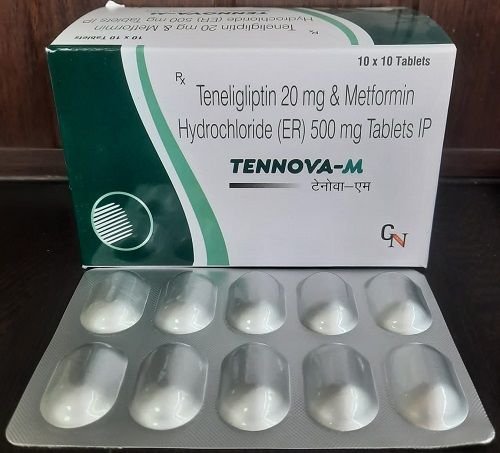
TENNOVA-M
Composition: TENELIGLIPTON-20MG TAB.+ METFORMIN SUSTAIN RELEASE-500MG
Pack: 10 × 10 MRP ₹1,300.00